

This page is supervised by a specialist physician at IC Clinic Ueno, a 1-minute walk from JR Ueno Station.
✨ What Causes Wrinkles and How Can You Address Them? 8 Treatments to Help Improve Wrinkles and Sagging
💡What You Will Learn From This Article
✅ The real causes of wrinkles (the difference between epidermal and dermal types)
✅ Effective prevention and care methods you can practice at home
✅ 8 specialist treatments available at a clinic
✅ The most suitable care approach for your type of wrinkles
⚠️Without This Information…
❌ You may waste time and money on the wrong care
❌ Wrinkles may become deeper and harder to address
❌ You may continue to look older than your actual age
😟 “I’m bothered by the smile lines around my eyes.”
😰 “As I age, I’ve started to notice more wrinkles and sagging on my face.”
Do any of these wrinkle concerns sound familiar?
When it comes to wrinkles, skincare products such as creams and serums alone may not be sufficient to achieve noticeable improvement. If you are looking to address your wrinkles more effectively, considering treatment at a clinic may be worth exploring.
This page explains the causes of wrinkles, ways to address them, and treatment options available at clinics. We hope this information will be helpful to those concerned about wrinkles, so please read on.
🔍 Why Do Wrinkles Form? 2 Main Causes
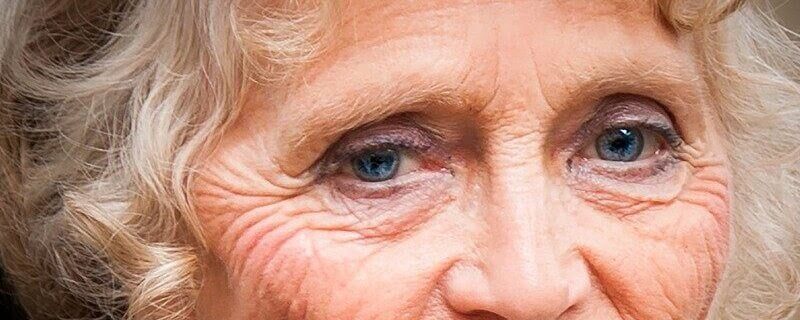
The causes of wrinkles differ depending on where they form. Wrinkles in the epidermis are caused by skin dryness, while wrinkles in the dermis result from repeated facial movements.
Let’s take a closer look at the two main causes of wrinkles.
💧 Epidermal Wrinkles | Temporary Lines Caused by Dryness
Fine lines around the eyes and mouth — often called superficial wrinkles — are primarily caused by skin dryness. The epidermis refers to the outermost layer of the skin.
When the skin becomes dry, the stratum corneum tends to flake, allowing moisture to evaporate through the gaps, which makes wrinkles more likely to appear.
Fine lines can develop even in younger individuals, but younger skin tends to have more elasticity, so any lines that form are usually temporary. As skin ages with time, it loses its elasticity, making fine lines that have formed less likely to smooth out on their own.
😣 Dermal Wrinkles | Lines That Form Through Repeated Facial Expressions
Wrinkles that arise from changes in the dermal cells are known as “dermal wrinkles.”
The dermis is the layer of skin located deeper than the epidermis. Dermal wrinkles are caused by repeated facial movements over time.
The underlying cause of dermal wrinkles is the deterioration and reduction of collagen, which gives skin its firmness, and elastin, which contributes to skin elasticity.
UV damage can reduce the number of cells that produce collagen and elastin, or prevent those cells from producing them altogether. As a result, collagen and elastin levels decline, and the skin begins to lose its firmness.
When facial expressions are repeatedly made on skin that has lost its firmness, wrinkles that have formed become harder to smooth out.
Dermal wrinkles are divided into fine lines that form perpendicular to the facial muscles, and deeper lines that develop around the mouth and along the facial contour as a result of aging.
☀️ How to Address and Prevent Wrinkles and Sagging: The Importance of UV Protection
To help address and prevent wrinkles and sagging, UV protection is essential.
Among the various types of wrinkles, the more serious dermal wrinkles develop as UV exposure reduces collagen, elastin, and other components in the body. UV rays also cause the dryness that leads to epidermal wrinkles.
There are several types of UV rays, but UVA — which penetrates deep into the skin — is particularly associated with the formation of wrinkles.
UVA, which reaches deep into the skin, damages fibroblasts — the cells responsible for producing collagen, elastin, and similar substances. Skin that has lost its elasticity due to UVA exposure is at greater risk of developing wrinkles and sagging.
Since UVA also increases melanin — the substance responsible for age spots — UV protection is important for maintaining youthful-looking skin.
⚠️ UVA is present in large quantities and penetrates deep into the skin, making it a significant contributor to wrinkles. It also passes through glass to reach the skin, so protection is needed throughout the year, regardless of season.
🧴 Can Cosmetics Help Improve Wrinkles? Tips for Choosing Creams and Serums
There is a possibility that cosmetics can help improve wrinkles, though the approach differs depending on whether the wrinkles are epidermal or dermal.
For epidermal wrinkles, consistent moisturizing to support skin texture and promote skin cell turnover may offer improvement. Skin cell turnover refers to the cycle in which the skin renews itself on a daily basis.
Improving the turnover cycle can make wrinkles relatively less noticeable. Thorough moisturizing helps prevent dryness in the stratum corneum, which can support a normal turnover rate.
For dermal wrinkles, using creams or serums containing ingredients related to collagen and elastin is important. However, collagen molecules are large and do not blend easily into the skin, so topical application is unlikely to deliver significant results.
It is necessary to increase collagen from within the skin by boosting the number of fibroblasts that produce collagen, as well as the dermal stem cells that generate those fibroblasts.
💆 Causes and Approaches for Neck Wrinkles
Much like the face, neck wrinkles are one of the telltale signs of aging. However, the skin on the neck is thinner than that on the face, has fewer sebaceous glands, and is prone to dryness. Combined with the frequent movements of daily life, the neck is a particularly wrinkle-prone area. While facial care often receives the most attention, comprehensive care that includes the neck is key to maintaining a youthful appearance.
📱 Everyday Habits to Help Address Neck Wrinkles
Daily lifestyle habits have a significant impact on neck wrinkles. In today’s society in particular, the increased use of smartphones and desk-based work has placed greater strain on the neck.
✅ 1. Improving Posture:
📱 Text Neck (Forward Head Posture)
Spending long periods looking down at a smartphone or tablet keeps the neck skin in a constantly folded position, which is a major contributor to the deepening of neck wrinkles. Try to make a habit of raising your device to eye level when using it, and take regular breaks to stretch your neck.
💻 Posture During Desk Work
When working at a computer for extended periods, align the screen with eye level and make a conscious effort to sit with a straight back. A hunched or forward-leaning posture puts strain on the neck and can contribute not only to wrinkles but also to shoulder stiffness and headaches.
✅ 2. Reviewing Your Pillow Height:
🛏️ Bedding — especially pillow height — has a direct bearing on neck wrinkles. A pillow that is too high can bend the neck at an unnatural angle during sleep, contributing to deeper wrinkles. Conversely, a pillow that is too low can also place strain on the neck.
It is important to choose a pillow of an appropriate height that supports the natural S-curve of the neck and allows for easy repositioning during sleep. Consulting a specialist bedding retailer to find a pillow suited to your needs is recommended.
✅ 3. Adjusting Your Sleeping Position:
😴 Sleeping on your back is generally considered ideal. Sleeping on your side or face down places strain on the neck and can cause wrinkles to form or expose the skin to frictional damage.
Choosing a pillowcase made from a low-friction material such as silk can also help reduce pressure on the skin.
✅ 4. UV Protection:
☀️ Like the face, the neck is an area exposed to UV rays throughout the year. V-neck tops in particular tend to leave the neck more exposed.
Make it a year-round habit to apply sunscreen thoroughly to the neck as well. In summer, wearing a UV-protective stole or scarf can also be an effective measure.
💆♀️ Effective Skincare for Neck Wrinkles
In addition to daily lifestyle adjustments, incorporating skincare specifically focused on the neck may help enhance efforts to improve the appearance of wrinkles.
💧 1. Thorough Moisturizing:
Because the neck has fewer sebaceous glands and is prone to dryness, it requires even more attentive moisturizing care than the face.
Make it a habit to apply toner, lotion, and cream to the neck in the same way you would to your face. If dryness is a concern, you may wish to consider a body cream with a higher oil content than your usual facial products, or a cream specifically formulated for the neck.
After a bath or shower, when the skin is warm and softened, is an effective time to apply moisturizing ingredients generously.
✨ 2. Using Neck-Specific Creams and Serums:
In recent years, an increasing number of neck-specific creams and serums have become available, formulated with ingredients targeting neck wrinkles and sagging — such as firming and elasticity-boosting ingredients, moisturizing ingredients, and tightening agents. Incorporating these products into your routine allows for more focused care.
💆 3. Correct Massage Technique:
Because the skin on the neck is delicate, it is important to avoid strong friction and to massage gently.
🌊 Lymphatic Massage: Using the pads of your fingers, gently massage from the neck down toward the collarbone and décolletage, encouraging lymphatic drainage. This can help flush out waste products and improve circulation, supporting the skin’s natural renewal process.
⬆️ Upward Massage: Using the full surface of your palms, gently lift the skin from the base of the neck toward the chin. Working cream into the skin while gently opening the wrinkle lines can make this more effective.
⚠️ When massaging, always apply a generous amount of cream or oil first to minimize friction.
🤸 4. Stretching and Exercise:
Stretching to loosen the neck muscles and improve circulation can also be beneficial. Try incorporating slow neck rotations and forward, backward, and side tilts into your daily routine.
Stretches targeting the neck and shoulders that help improve posture are also effective.
🌟 Effective Ways to Help Improve Wrinkles
When it comes to addressing wrinkles, improving the quality of your daily skincare routine is very important. Choosing the right products and using them correctly can make a significant difference to your skin. In addition, caring for your body from the inside and reviewing your daily lifestyle habits are also essential for wrinkle prevention and improvement.
🧴 How to Choose and Use Wrinkle-Improving Creams
The market offers a wide range of wrinkle-improving creams, but choosing the right product and using it correctly is key to noticing a difference.
🛒 Tips for Choosing:
1️⃣ Check for Approved Active Ingredients (Quasi-Drug):
Look for products that contain active ingredients recognized by Japan’s Ministry of Health, Labour and Welfare as having a wrinkle-improving effect. Representative ingredients include the following.
✨ Pure Retinol: Promotes skin cell turnover and supports the production of collagen and elastin. May help address deeper wrinkles.
✨ Niacinamide: Works in multiple ways — supporting collagen production, improving the skin barrier, and helping to suppress melanin formation — with potential benefits for wrinkles, skin brightening, and skin roughness.
✨ NEI-L1: (An ingredient developed by Pola Inc.) Helps suppress the activity of enzymes that break down collagen and elastin in the dermis, contributing to improved skin elasticity.
💡 Products containing these ingredients are classified as quasi-drugs (医薬部外品) and typically state their approved indications — such as “improves wrinkles” — on the packaging.
2️⃣ Prioritize Moisturizing Ingredients:
Dryness is a concern for all types of wrinkles. Check that the product contains sufficient amounts of high-moisture ingredients such as hyaluronic acid, ceramide, collagen, and glycerin. Well-hydrated skin can make fine lines less noticeable and may help slow the progression of deeper wrinkles.
3️⃣ Choose a Texture That Suits Your Skin Type:
Since a cream is something you use every day, choosing one with a texture that feels comfortable on your skin — not too heavy or sticky — is key to maintaining a consistent routine. A richer formula may suit dry skin, while a lighter option may be more comfortable for combination skin types.
4️⃣ Choose a Price Range You Can Sustain:
Consistency matters more than immediate results when it comes to wrinkle care. Choose a product within a price range you can realistically maintain. In some cases, using a more affordable product daily and consistently may be more effective than occasionally using a high-end one.
📋 How to Use Correctly:
⏰ 1. When to Apply: Generally, apply after cleansing and toning — after any serums and before lotion or cream. Each product may have its own recommended order of application, so always check the instructions.
💊 2. Amount to Use: Each product has a recommended amount. Using too little may reduce the benefit, while using too much can place unnecessary burden on the skin.
👆 3. How to Apply:
✋ Use the pads of your fingers, gently: For delicate areas such as around the eyes and mouth where the skin is thin, use the pad of a weaker finger such as your ring finger and apply with a light touch.
↔️ Work along the wrinkle lines: Gently smooth the product along the wrinkle grooves, spreading lightly as if encouraging it to absorb into the skin.
⚠️ Do not rub: Strong friction places stress on the skin and can actually contribute to wrinkle formation, so be sure not to rub the product in.
➕ Layering: For areas of particular concern, applying a small amount in layers as a form of “intensive care” can also be beneficial.
🌙 4. Morning and Night: In general, using the product twice a day — morning and evening — may make it easier to notice a difference. If using in the morning, some ingredients can increase sensitivity to UV rays, so be sure to apply sunscreen over the top.
💊 The Benefits of Retinol and Vitamin C Derivatives
Among ingredients considered beneficial for wrinkle improvement, retinol and vitamin C derivatives have attracted particular attention. Each works on the skin through a different mechanism to support wrinkle improvement.
🔬 Retinol (Vitamin A):
✨ Effects on the Skin:
🔄 Promotes Skin Cell Turnover: Helps normalize the cycle in which old skin cells are shed and new ones are generated (cell turnover). This can smooth the skin’s surface and help make fine lines less noticeable.
💪 Supports Collagen and Elastin Production: Works on fibroblasts in the dermal layer to support the production of collagen and elastin, which contribute to skin firmness and elasticity. This may help plump the skin from within and support improvement of deeper wrinkles.
💧 Supports Hyaluronic Acid Production: Also promotes the production of hyaluronic acid, which helps the skin retain moisture, supporting overall skin hydration.
📊 Types and Characteristics:
⭐ Pure Retinol: Known for its relatively strong activity, but also more likely to cause skin reactions (known as “retinol reaction”: redness, peeling, dryness, etc.). It is advisable to start with a small amount and gradually allow your skin to adjust — a process sometimes called “retinol banking.”
🌱 Retinol Derivatives: Including retinyl palmitate and retinyl acetate. These tend to be gentler on the skin and are more accessible for first-time users. The effects are more gradual than pure retinol, but they offer greater stability.
⚠️ Points to Note:
🌙 Sensitive to Light: Retinol is unstable when exposed to light, so nighttime use is generally recommended.
☀️ Thorough UV Protection: Skin can become more sensitive to UV rays while using retinol, so be sure to apply a sunscreen with high SPF and PA ratings during the day.
🧪 Watch for Skin Reactions: When using for the first time, carry out a patch test on the inner arm and start with a small amount while monitoring your skin’s response. Retinol is generally not recommended during pregnancy or breastfeeding.
🍊 Vitamin C Derivatives:
✨ Effects on the Skin:
🛡️ Potent Antioxidant Action: Helps neutralize free radicals generated by UV exposure and stress, protecting skin cells from damage. This may help prevent the breakdown of collagen and elastin and reduce the formation of wrinkles caused by photoaging.
💪 Supports Collagen Production: An essential component for the production of collagen, which helps maintain skin firmness and elasticity. May help plump the skin from within and contribute to wrinkle improvement.
✨ Helps Suppress Melanin Formation: Also works to suppress the production of melanin, which is responsible for age spots, contributing to an overall brighter skin tone.
🧴 Sebum Control: May help regulate excess sebum production, and could also be beneficial for reducing the appearance of pores and managing acne.
📊 Types and Characteristics:
There are various types available — including Magnesium Ascorbyl Phosphate, Sodium Ascorbyl Phosphate (water-soluble), Ethyl Ascorbic Acid (both water- and oil-soluble), and APPS (amphiphilic) — each differing in terms of penetration, stability, and potential for skin sensitivity.
⚠️ Points to Note:
Many vitamin C derivative products are relatively stable and suitable for both morning and evening use, though some individuals may experience sensitivity, so monitor your skin’s response as you use them.
If dryness is a concern, look for products that combine vitamin C derivatives with moisturizing ingredients.
💧 The Role of Hyaluronic Acid and Collagen
Hyaluronic acid and collagen are components that play an extremely important role in maintaining skin moisture and elasticity. When these components are lacking, the skin becomes dry, loses its elasticity, and wrinkles and sagging become more apparent.
💧 Hyaluronic Acid:
🔬 Role in the Skin:
Hyaluronic acid is a type of mucopolysaccharide with an exceptionally high water-retaining capacity — said to be able to hold up to 6 liters of water per gram.
It is found in abundance in the dermal layer of the skin, filling the spaces between cells and storing moisture in the skin to provide a cushion-like elasticity and suppleness.
✨ Effects on Wrinkles:
It is particularly effective at making fine lines caused by moisture loss on the skin’s surface (known as “crepe” wrinkles) less noticeable. When the skin is well hydrated, the texture becomes more refined and wrinkles appear more plumped.
Increasing overall skin moisture also helps support the skin’s barrier function, protecting it from external stressors.
📥 How to Incorporate It:
🧴 Topical Application via Skincare Products: Applying hyaluronic acid-containing toners, serums, and creams hydrates the stratum corneum and helps prevent dryness. Combining hyaluronic acid molecules of different sizes is thought to allow deeper penetration into the skin.
💊 Oral Intake via Supplements: There are reports suggesting that orally consumed hyaluronic acid may be partially absorbed by the body and contribute to improvements in skin moisture levels.
💪 Collagen:
🔬 Role in the Skin:
Collagen is the primary protein in the dermis, accounting for approximately 70% of its composition, and forms a fibrous structure that serves as the skin’s foundation.
Arranged in a mesh-like network alongside elastin — which has a rubber-like elasticity — collagen plays a key role in supporting skin elasticity and firmness.
✨ Effects on Wrinkles:
When collagen decreases or deteriorates due to aging or UV damage, the skin loses its elasticity and this becomes a direct cause of wrinkles and sagging.
Replenishing collagen may help support the skin’s elasticity and plump it from within, contributing to a less wrinkled appearance.
📥 How to Incorporate It:
🧴 Topical Application via Skincare Products: Hydrolyzed collagen — processed into smaller molecules — is used in cosmetics and may contribute to moisturization and a firmer skin feel.
🍖 Dietary Intake: It is important to consume a balanced diet rich in animal proteins (meat, fish, eggs) and foods naturally high in collagen (chicken skin, fish skin, shark fin, etc.). To support efficient collagen synthesis in the body, simultaneous intake of vitamin C is also important.
💊 Supplementation: Supplements such as low-molecular-weight collagen peptides may also contribute to improvements in skin elasticity and hydration.
🍽️ Foods and Nutrients That May Support Skin Against Wrinkles
Skin health is closely connected to daily dietary habits. To help prevent and improve wrinkles, it is important to actively consume nutrients that support the skin from within. Aim for a balanced diet to strengthen the skin’s foundation.
🦐 Astaxanthin (Found in Red-Colored Foods)
Astaxanthin is the red pigment found in shrimp, crab, and salmon, and is a type of carotenoid with a particularly potent antioxidant action. Said to have approximately 1,000 times the antioxidant power of vitamin E, it may help protect skin cells from free radicals generated by UV exposure, and could contribute to reducing the formation of wrinkles caused by photoaging.
🐟 Foods Rich in Astaxanthin: Salmon, salmon roe, shrimp, crab, sea bream, and supplements containing astaxanthin, among others.
💡 Intake Tip: Absorption is enhanced when consumed alongside fats and oils, so grilled salmon or salmon cooked in olive oil (ajillo style) are good options.
🥕 Vitamins A, C, and E (The ACE Vitamins)
Vitamins A, C, and E each have distinct functions and work together to help maintain skin health and contribute to wrinkle improvement — making them important nutrients.
🥕 Vitamin A (Beta-Carotene):
🔄 Function: Promotes skin cell turnover (renewal), helping to shed old skin cells and support the generation of new ones. This may help refine skin texture and lead to a smoother appearance with less noticeable fine lines. It also helps maintain the health of skin and mucous membranes. Consuming beta-carotene — which the body converts into vitamin A as needed — is a safe approach.
🥬 Foods Rich in Vitamin A: Carrots, spinach, pumpkin, broccoli, and other yellow-green vegetables; eel, liver, etc.
🍋 Vitamin C:
🛡️ Function: Has a potent antioxidant action, helping to neutralize free radicals generated by UV exposure and other factors. It is also an essential nutrient for collagen production and plays an important role in maintaining skin firmness and elasticity. In addition, it helps suppress melanin production, offering a dual approach to both age spots and wrinkles.
🍓 Foods Rich in Vitamin C: Citrus fruits (lemon, orange), strawberries, kiwi fruit, broccoli, bell peppers, potatoes, etc.
🥜 Vitamin E:
✨ Function: Sometimes called the “anti-aging vitamin,” it combines blood circulation-promoting and antioxidant actions. By protecting cell membranes from oxidation, it may help slow skin aging and support cellular renewal. This can contribute to a stronger skin barrier and help maintain firmness and hydration.
🥑 Foods Rich in Vitamin E: Nuts (almonds, peanuts), avocado, vegetable oils (sunflower oil, rapeseed oil), eel, etc.
🍖 Protein
Collagen and elastin — the key structural components of the skin — are made from protein. For this reason, consuming sufficient amounts of high-quality protein is essential for strengthening the skin’s foundation and helping to prevent wrinkles.
💪 Function: Collagen, elastin, the enzymes needed for skin cell turnover, and the cells themselves are all made of protein. A deficiency can lead to reduced skin firmness and elasticity, making wrinkles more likely to develop.
🥩 Foods Rich in Protein: Meats (chicken breast, chicken tenderloin, lean cuts), seafood (white fish, oily fish), eggs, soy-based products (tofu, natto, soy milk), dairy products (milk, yoghurt, cheese), etc.
💡 Intake Tip: Aim to consume a variety of protein sources without relying on just one, and choose foods with a high amino acid score.
📊 Key Nutrients and Food Sources That May Support Wrinkle Improvement
| Nutrient | Main Function | Foods Rich in This Nutrient |
| 🦐 Astaxanthin | Potent antioxidant action, protection against UV damage | Salmon, salmon roe, shrimp, crab |
| 🥕 Vitamin A | Promotes cell turnover, maintains skin and mucous membrane health | Carrots, spinach, pumpkin, eel |
| 🍋 Vitamin C | Supports collagen production, antioxidant action, helps suppress melanin | Citrus fruits, strawberries, kiwi, broccoli, bell peppers |
| 🥜 Vitamin E | Antioxidant action, supports blood circulation, activates skin renewal | Nuts, avocado, vegetable oils |
| 🍖 Protein | Raw material for collagen and elastin, strengthens the skin’s foundation | Meat, fish, eggs, soy-based products, dairy products |
| 🍇 Polyphenols | Antioxidant action, cellular protection | Blueberries, green tea, red wine, cacao, coffee |
| 🌾 Ceramide | Strengthens the skin barrier, supports moisture retention | Konjac, rice, wheat, milk, yoghurt (small amounts from food) |
🏠 Wrinkle Care Beyond Skincare Products
In addition to using skincare products, small adjustments and mindful habits in daily life can help prevent wrinkles and slow their progression. However, it is important to avoid misinformation and unsafe methods that could place unnecessary burden on the skin.
⚠️ Using a Clothes Steamer (What to Be Aware of for Your Skin)
A clothes steamer is designed to remove wrinkles from fabric, and should never be used directly on the skin. The high-temperature steam poses a serious risk of burns and can dry out the skin, potentially causing further damage.
That said, from an indirect perspective, managing indoor humidity is important since skin dryness is a major contributor to wrinkles. Rather than directing a clothes steamer at the skin, using it on clothing in a clean environment may offer some temporary relief from indoor dryness — though for proper humidity management, the use of a dedicated humidifier is recommended.
🚫 Spray Bottle and Hair Dryer (The Risks for Your Skin)
The practice of misting water onto the face and then drying it with a hair dryer is extremely risky as a wrinkle care method and should never be attempted.
Even if moisture is applied by misting, when the hair dryer causes it to evaporate rapidly, the skin’s own natural moisture is drawn out along with it. This can significantly worsen skin dryness, compromise the skin barrier, and ultimately lead to deeper wrinkles.
💡 The fundamentals of wrinkle care are “moisturizing” and “preventing moisture evaporation.” When hydrating the skin, use a toner or mist that contains moisturizing ingredients, then promptly seal in the moisture with a lotion or cream to lock in hydration from within the skin.
♨️ How to Use a Warm Towel
When used correctly, a warm towel may indirectly support wrinkle care. Warming the skin can promote blood circulation and may encourage skin renewal. It can also help open the pores, potentially supporting the absorption of subsequent skincare products.
✅ How to Use:
1️⃣ Dampen a clean towel with water and wring it out lightly.
2️⃣ Warm it in the microwave for approximately 30 seconds to 1 minute (take care to avoid burns — always check that it is not too hot before use).
3️⃣ Place the warm towel gently over your face and neck for a few minutes and relax.
4️⃣ After using the warm towel, apply toner, serum, and cream promptly before the skin’s moisture has a chance to evaporate.
⚠️ Note: If the towel is too hot, it can place stress on the skin, so take care with the temperature. Also, avoid leaving it on for too long.
🔥 Hair Straighteners: What to Watch Out For (Effects on the Skin)
Hair straighteners are designed for hair styling, and should never be used directly on the skin. The high-temperature plates can cause serious burns and damage to the skin, potentially leaving lasting marks that go far beyond wrinkles.
When styling hair, it is also important to ensure that the heat or hot plates of a hair straightener do not come into contact with the skin around the face. Hair dryness can sometimes be linked to skin dryness. Since healthy hair can indirectly contribute to skin health, when using a hair straightener, be mindful of using an appropriate heat setting and heat protectant, and pay attention not only to the hair and scalp but also to any potential impact on the facial skin.
🤔 Conditions That Are Sometimes Confused With Wrinkles
While many skin concerns are recognized as “wrinkles,” there are conditions with different underlying causes and characteristics that can be mistaken for them. “Nasolabial folds” and “sagging” in particular are often confused with wrinkles, but understanding the differences between them can lead to a more effective approach.
📏 Differences Between Wrinkles and Nasolabial Folds
Nasolabial folds are the lines that run from the sides of the nose down to the corners of the mouth in a parenthesis shape, and are a common facial concern for many people. They are often treated as “wrinkles,” but strictly speaking, it is more accurate to describe them as “grooves” that involve elements of both wrinkles and sagging.
📌 What Are Wrinkles?
Fine, shallow lines or folds on the skin’s surface. They are primarily caused by skin dryness, UV damage, and repeated facial expressions that cause the skin to lose its elasticity.
Examples: fine lines at the outer corners of the eyes, vertical lines between the eyebrows, horizontal lines across the forehead, etc.
📌 What Are Nasolabial Folds?
The primary causes include weakening of the facial muscles, increased or descending subcutaneous fat, and sagging due to reduced collagen and elastin in the dermal layer, causing the cheek skin to drop and forming a groove as a result. Bone structure, dental alignment, and habitual facial expressions can also be contributing factors.
When nasolabial folds become more pronounced, they create shadows that make them more noticeable and can give a more aged appearance.
💡 Why Understanding the Difference Matters:
While wrinkles are primarily addressed through surface-level skincare (moisturizing, applying active ingredients), nasolabial folds are rooted in sagging and therefore require a more fundamental approach, such as facial muscle exercises, lifting care, and aesthetic medical treatments (hyaluronic acid injections, thread lifts, HIFU, etc.). Identifying the correct cause rather than confusing the two allows you to choose the most appropriate course of action.
⬇️ The Relationship Between Wrinkles and Sagging
Sagging refers to a condition in which the skin and underlying tissues gradually descend due to aging, UV exposure, gravity, and lifestyle factors, resulting in a loss of firmness and elasticity. Wrinkles and sagging are closely related and often occur together, which can make it difficult to distinguish one from the other.
📌 What Is Sagging?
The face begins to be pulled downward overall, leading to a looser jawline, drooping cheeks, and puffiness beneath the eyes (sagging under-eye bags).
Main causes include the reduction and deterioration of collagen and elastin in the dermis, increased or descending subcutaneous fat, and weakening of the facial muscles.
🔗 The Relationship With Wrinkles:
⬇️ Sagging Can Lead to Wrinkles: When the skin develops excess laxity or overlapping folds due to sagging, deep wrinkles such as nasolabial folds and marionette lines can form. For example, when the cheeks sag, the added weight can contribute to the formation of deep lines at the corners of the mouth.
🔄 Wrinkles Can Accelerate Sagging: If fine lines caused by dryness are left unaddressed, the skin’s barrier function may decline and damage to the dermal layer can accumulate. This can ultimately result in a loss of skin elasticity and may progress toward sagging.
🎯 Shared Causes: Factors such as UV exposure and aging affect both wrinkles and sagging.
💡 The Direction of Approach:
Addressing sagging shares much in common with wrinkle care, but in addition to promoting collagen and elastin production in the skin’s foundation (through ingredients such as retinol and vitamin C derivatives), more fundamental approaches such as facial muscle strengthening and aesthetic medical lifting treatments (HIFU, laser therapy, thread lifts, etc.) can also be effective. Incorporating a comprehensive anti-aging care routine that addresses both wrinkles and sagging is important for maintaining a youthful-looking complexion.
🏥 For a More Fundamental Approach to Wrinkles, Consider Consulting a Clinic

If you are looking for a more fundamental approach to wrinkles, seeking treatment at a clinic is one option worth considering, in addition to over-the-counter skincare products. Most commercially available skincare products can only penetrate as far as the epidermis — the outermost layer of the skin.
Since many of the cells involved in wrinkle improvement are found in the dermis, using cosmetics alone to address wrinkles tends to yield limited results.
At a clinic, treatments and medical devices that can reach and work on the dermis are available. If you are looking for ways to address wrinkles, consulting a clinic about professional treatments may be a worthwhile step.
✨ 8 Wrinkle Treatments Available at IC Clinic

The following is an overview of the wrinkle treatment options available at our clinic and their characteristics.
| Treatment | Description | Suitable For |
|---|---|---|
| 🌟 Dermapen Microneedling | Creates micro-channels in the skin using fine needles | Those concerned about fine lines |
| 💡 ICON | Delivers specialized light energy to the skin | Those with no active skin inflammation |
| ⚡ Agnes | Delivers radiofrequency current via micro-insulated needles | Those who wish to wear makeup the following day |
| 🔬 Fractional Laser | Delivers micro-fractional laser energy to the skin | Those looking to improve skin firmness and elasticity |
| 🎯 HIFU | Uses ultrasound energy to help address skin sagging | Those who want to notice results relatively soon |
| 💉 Botulinum Toxin Injection | Injected to help relax muscle contractions | Those looking to address expression lines on the forehead or between the brows |
| 💧 Hyaluronic Acid Injection | Injects hyaluronic acid into targeted areas | Those who want skin with a plumper, more elastic feel |
| 🧵 Thread Lift | Inserts threads to lift and tighten the skin | Those seeking a higher level of wrinkle improvement |
We will explain the features, potential benefits, considerations, and pricing for each treatment.
1️⃣ Dermapen Microneedling
Dermapen Microneedling uses fine needles to create micro-channels in the skin, helping to support the skin’s natural renewal process. When the needles are inserted into the skin, fibroblasts are activated, encouraging the production of collagen and other components that play a role in wrinkle improvement.
However, please note that results are not typically immediate. Dermapen treatment generally requires an average of around 5 sessions, with an interval of approximately 3 to 4 weeks between each session.
💰 For those concerned about cost, a special introductory price is available for your first Dermapen session at our clinic.
For more details about Dermapen Microneedling, please see the page below. We encourage you to take a look.
2️⃣ ICON
ICON is a device capable of delivering Intense Pulsed Light (IPL) therapy — a treatment that directs specialized light energy to the skin.
By adjusting the light output, ICON can address a range of skin concerns beyond wrinkles. By delivering light energy as far as the dermis to act on fibroblasts, it helps stimulate collagen production.
This can help build skin that is more resilient against UV exposure and dryness, and may reduce the appearance of superficial wrinkles. However, there are some limitations — for example, pregnant individuals and those with active skin inflammation are not suitable candidates for this treatment.
💡 If you are unsure whether your skin condition is suitable for this treatment, please do not hesitate to consult our clinic.
Please also be aware that achieving sufficient results typically requires approximately 5 to 6 sessions. The treatment fee for ICON at our clinic is “Full Face 6 Sessions / ¥110,000 (tax included ¥121,000).”
For more details about ICON, please refer to the page below.
3️⃣ Agnes
Agnes uses high-frequency micro-insulated needles to act directly on the dermis, and may show results for skin concerns that are difficult to address through surface-level care alone.
Among wrinkle treatments, Agnes is particularly suited to addressing fine lines under the eyes. Because the skin under the eyes is thin, some treatments such as botulinum toxin injections may be less effective in that area; however, the micro-insulated needles used in Agnes can reach the dermis.
Agnes delivers high-frequency current through the needles to stimulate the skin and encourage the production of collagen and elastin. Since the epidermis is not damaged in the process, downtime is minimal and makeup can generally be applied the day after treatment.
⚠️ In rare cases, side effects such as redness, swelling, or bruising may occur, but these typically resolve within one week. The treatment fee for Agnes at our clinic is “Full Face 6 Sessions / ¥324,000 (tax included ¥356,400).”
For more details about Agnes, please refer to the page below.
AGNES for Acne Treatment and Under-Eye Care — Pricing, Effects, and 4 Clinical Cases Explained
4️⃣ Fractional Laser
Fractional laser treatment delivers micro-fractional laser energy to create thermal damage in the deeper layers of the skin, stimulating skin quality improvement. As the treated skin undergoes cell division during the repair process, collagen proliferates.
Treatment is divided into two types: the ablative type, which uses a higher output, and the non-ablative type, which uses a lower output and involves less downtime.
In addition to wrinkle improvement through skin regeneration, improvements in skin firmness and elasticity through collagen remodeling may also be expected.
⚠️ There is a possibility of side effects such as pain, redness, or hyperpigmentation following treatment, which typically improve over time. The treatment fee for fractional laser at our clinic is “Full Face 6 Sessions / ¥110,000 (tax included ¥121,000).”
For more details about fractional laser treatment, please refer to the page below.
What Is Fractional Laser? 3 Skin Benefits Including Scar and Pore Improvement
5️⃣ HIFU
HIFU (High-Intensity Focused Ultrasound) uses ultrasound energy to help improve skin sagging. By targeting the SMAS (superficial musculoaponeurotic system) — the facial foundation layer — with focused ultrasound, it can deliver a notable tightening effect.
In particular, the “Ultraformer III” used at our clinic is designed to make tightening effects easier to notice, while also being mindful of patient comfort.
Results vary among individuals, but some patients report noticing an improvement in the appearance of wrinkles shortly after their treatment session.
⚠️ Some patients may experience redness or a sensation of warmth after treatment, but these effects are generally temporary and tend to subside within approximately one week. The fee for HIFU at our clinic is “Full Face 5 Sessions / ¥135,000 (tax included ¥148,500).”
For more details about HIFU, please see the page below.
What Is HIFU? The “Ultraformer III” — Expected to Help Improve Facial Sagging
6️⃣ Botulinum Toxin Injection
Botulinum toxin injections work by relaxing the muscles at the injection site to help refine the appearance of the area, and also show results in improving wrinkles on the forehead and between the eyebrows.
In many cases, muscle contractions play a role in the formation of wrinkles. By reducing muscle contractions, botulinum toxin injections may help diminish the appearance of wrinkles.
⚠️ Potential considerations include the possibility of swelling, discomfort, or bruising, as well as the risk of an unnatural facial expression.
Since the mechanism works by reducing muscle activity, if the effect is too pronounced, voluntary control of the facial muscles may become limited.
💰 The fee for botulinum toxin injections at our clinic varies depending on the treatment area. For more details about botulinum toxin treatment, please see the page below.
What Are Botulinum Toxin Injections? 5 Potential Aesthetic Benefits and Possible Side Effects
7️⃣ Hyaluronic Acid Injection
This treatment involves injecting hyaluronic acid — a component with excellent moisturizing and water-retaining properties combined with elasticity — into targeted areas.
When hyaluronic acid is injected into wrinkle grooves, the dermis lifts the epidermis from beneath, adding overall volume to the skin. This helps make wrinkles and nasolabial folds less noticeable, with results that patients may notice.
Hyaluronic acid is a substance naturally present in the body, so the risk of complications from injection is not high. However, discomfort or swelling may occasionally occur.
💰 The effects and fees for hyaluronic acid injections vary depending on the area treated. For more details, please see the page below.
What Are Hyaluronic Acid Injections? 9 Treatment Areas and Expected Aesthetic Benefits
8️⃣ Thread Lift
A thread lift is a treatment that involves inserting threads beneath the skin to lift and tighten it. As the skin becomes firmer, wrinkles tend to become less noticeable.
Because a thread lift is closer to a surgical procedure, it places a relatively greater demand on the body and involves a longer recovery period.
On the other hand, it offers the advantage of longer-lasting results. This treatment may be a suitable option for those who feel: “I don’t want a surgical incision, but I’d like a treatment with a higher level of improvement.”
💰 Fees tend to be higher compared to other treatments, and a budget of approximately ¥200,000–¥500,000 is typically required.
For more details about thread lifts, please see the page below.
What Is Non-Surgical Sagging and Lifting Treatment? Medical HIFU Explained
🏥 For Wrinkle Treatment, Visit IC Clinic Ueno
Since skincare products alone offer limited results for wrinkles, visiting a clinic for treatment is worth considering if you want to pursue skin with fewer wrinkles more effectively.
At our clinic, we can suggest a treatment approach suited to your wrinkle concerns from 8 available options.
- 🌟 Dermapen Microneedling
- 💡 ICON
- ⚡ Agnes
- 🔬 Fractional Laser
- 🎯 HIFU
- 💉 Botulinum Toxin Injection
- 💧 Hyaluronic Acid Injection
- 🧵 Thread Lift
If you are finding it difficult to improve your wrinkles through self-care alone, please feel free to come in for a consultation at our clinic.
💬 Consultations Available Now!
✅ A specialist physician will carefully assess your skin condition
✅ We will suggest a treatment plan tailored to your needs
✅ We will provide detailed information on fees and treatment duration
✅ Conveniently located just 1 minute on foot from Ueno Station!
🎁 Special First-Visit Pricing is also available