
📖 What you’ll learn on this page:
✔️ A proper understanding of ptosis
✔️ Treatment options covered by health insurance
✔️ The treatment process and fees at our clinic
You don’t have to face this alone. Start by gaining the right knowledge and take a step toward a more comfortable daily life!
😰 “My eyelids feel heavy and it’s hard to open my eyes lately…”
😴 “Every time I look in the mirror, I always look sleepy.”
😖 “The wrinkles on my forehead have been getting deeper and it bothers me.”
😣 “My stiff shoulders and headaches have gotten worse.”
Do any of these concerns sound familiar?
💡 This may not simply be a sign of aging…
These symptoms could be caused by a condition known as ptosis (blepharoptosis)!
✅ It’s not just a cosmetic concern
✅ It can also cause stiff shoulders and headaches
✅ It may even lead to autonomic nervous system dysfunction
But don’t worry—fundamental treatment is available under health insurance 🏥
👨⚕️ At IC Clinic Ueno,
plastic surgery specialists and ophthalmology specialists work together as a team to achieve both functional improvement and aesthetic outcomes.
👁️ What Is Ptosis (Blepharoptosis)?
Ptosis is a condition in which the eyelid droops downward, making the eyelid feel heavy and difficult to open. It can also cause noticeable wrinkles to form on the forehead.
🔍 Why does ptosis occur?
Inside the eyelid there is a firm structure called the tarsal plate. We are able to move our eyelids because the only muscle capable of lifting the eyelid (the levator palpebrae superioris) is attached to this tarsal plate.
⚠️ If the movement of this muscle can no longer be transmitted to the tarsal plate, the eyelid may not open properly. This is what is commonly referred to as “ptosis.”
😨 Ptosis can lead to the following problems…
- 😪 Always appearing sleepy
- 👴 Forehead wrinkles that make you look older
- 💪 Ongoing tension in the forehead muscles leading to stiff shoulders and a stiff neck
- 🧠 Headaches and autonomic nervous system disorders may also develop
💡 As the eye opening becomes restricted, a muscle called Müller’s muscle stimulates the autonomic nervous system, potentially affecting brain function.
📊 Classification of Ptosis
Which level applies to you? 👇 Compare with a normal eyelid below.
✅ Normal Eyelid Opening
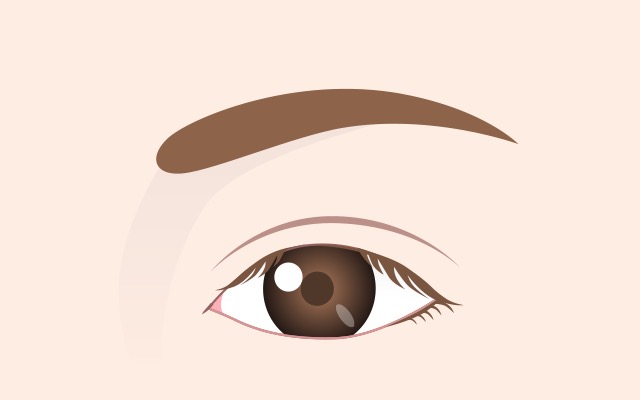
👁️ Approximately 80% of the iris is visible. The pupil (the dark center of the eye) is fully exposed at 100%.
⚠️ Mild Ptosis
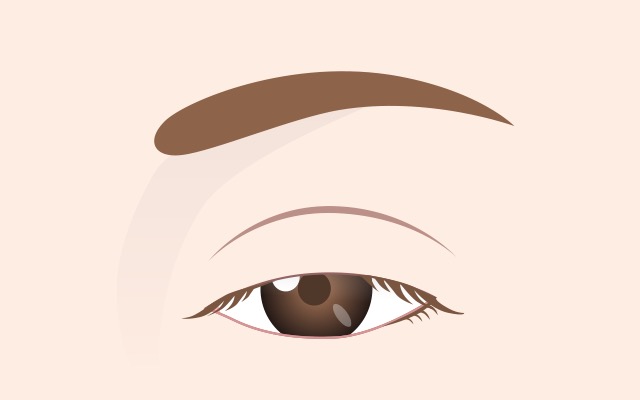
Compared to the normal state, the eyelid has dropped slightly and now partially covers the pupil.
⚠️⚠️ Moderate Ptosis
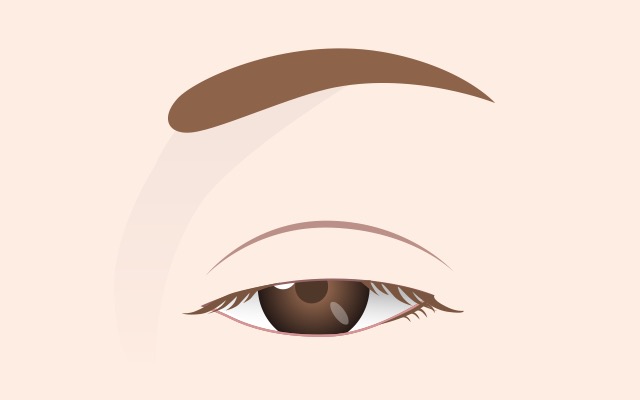
The eyelid has dropped further and now reaches near the center of the pupil.
🚨 Severe Ptosis
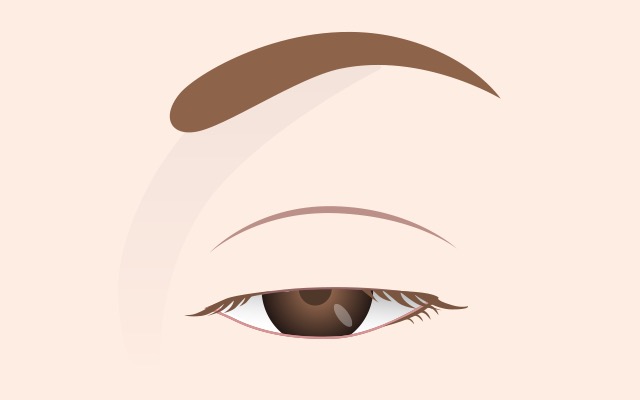
The eyelid has dropped completely, extending past the center of the pupil and covering it further. This level may interfere with daily activities.
💰 Ptosis Treatment Covered by Health Insurance
✨ Did you know?
Ptosis is recognized as a medical condition!
That means… 🎉
Following a physician’s evaluation, surgery may be eligible for coverage under health insurance.
💸 This is different from costly cosmetic surgery
🏥 It is a legitimate medical procedure
⚠️ ※ Please note that since our clinic performs surgery under health insurance, revision procedures following surgeries at other cosmetic surgery clinics (self-pay basis) are in many cases outside the scope of our coverage.
🏥 Treatment for Ptosis
At our clinic, we use a technique that shortens the levator muscle of the upper eyelid—the underlying cause of eyelid drooping—to improve the condition.
✨ Our approach
This procedure is covered by health insurance, and a multidisciplinary team of specialists from plastic surgery, ophthalmology, and related fields takes great care with postoperative appearance and symmetry, aiming for discreet, minimally visible scarring.
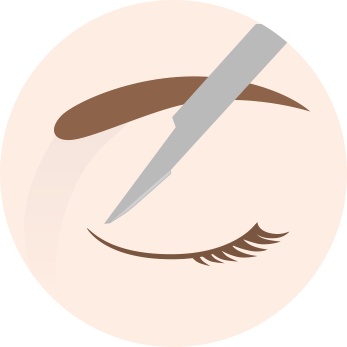
📝 5 Steps of Ptosis Treatment
👇 The following is one example of the surgical approach. The physician will select from several surgical methods based on the individual consultation.
STEP 1️⃣ Consultation & Design
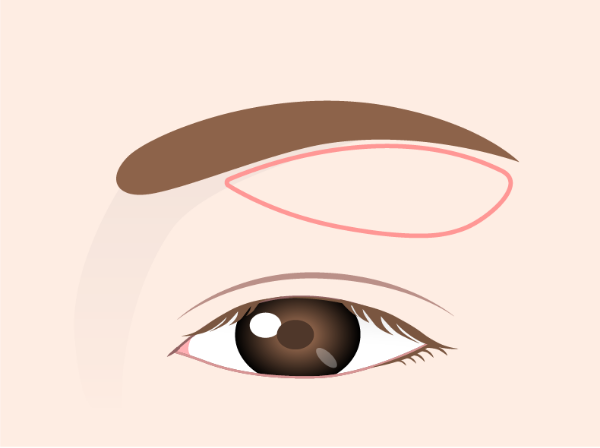
💬 During the consultation, the most suitable treatment approach for each patient will be proposed. The attending physician will explain the surgical procedure, estimated duration, and important precautions.
✨ At our clinic, we design the incision to minimize the amount of skin removed, keeping the burden on the patient as low as possible.
STEP 2️⃣ Incision
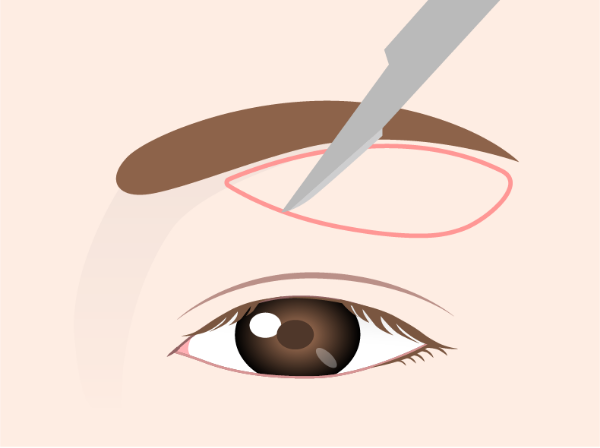
💉 Our clinic performs surgery under local anesthesia with careful attention to minimizing discomfort, administering injections in separate layers—skin, muscle, and sub-muscle.
Thicker skin just below the eyebrow is excised, and the incision is sutured and tightened to lift the drooping eyelid skin, creating a cleaner eyelid line.
STEP 3️⃣ Procedure
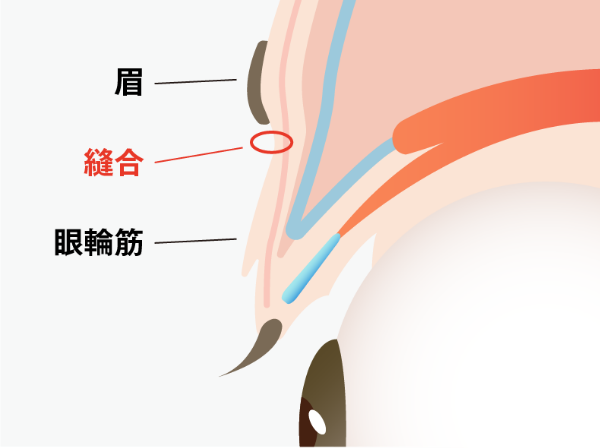
🎯 If the incision and suture shift away from the sub-brow area, the scar may become more visible.
With careful precision, the procedure is performed as close to the eyebrow line as possible to help keep postoperative scarring inconspicuous.
STEP 4️⃣ Suturing
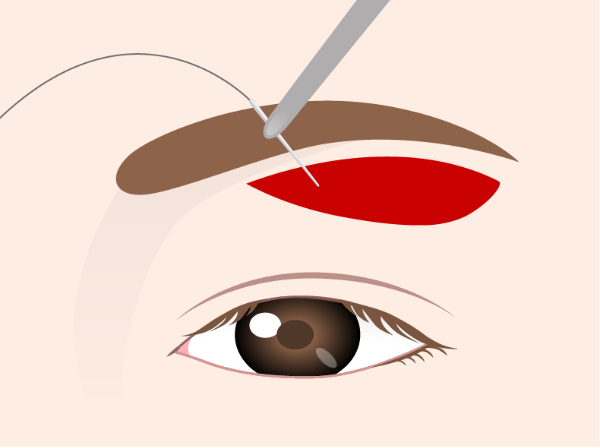
🧵 At our clinic, we insist on using sutures finer than a strand of hair.
The suturing process requires the surgeon’s refined technique and sensitivity—including the method and tension of each knot—while keeping the desired postoperative result in mind throughout.
STEP 5️⃣ Postoperative Review
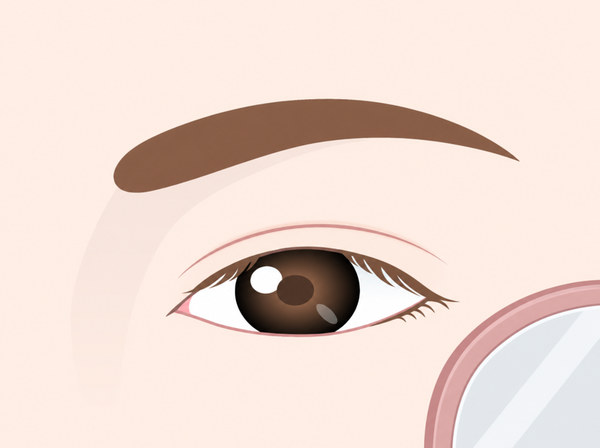
✅ After suturing, the results are carefully reviewed. Detailed instructions regarding postoperative precautions and aftercare are provided.
📅 To monitor recovery, a follow-up appointment is scheduled at a time convenient for the patient.
💰 Insurance-Covered Treatment Available at Our Clinic
Our clinic recommends treatment under health insurance coverage only. The reasons are 👇
- 💰 Peace of mind on cost:
¥18,210 per eye (for patients with 30% co-pay). A fraction of the cost of cosmetic surgery! - 📋 Established surgical methods:
Insurance-covered treatment is limited to certain established surgical techniques, resulting in a substantial number of cases and stable postoperative outcomes. - 👨⚕️ Consistency in surgical quality:
Because the procedures follow the same methods used at university hospitals and general hospitals, variability in surgical quality is less likely. - 💵 Potential surgical benefit from medical insurance:
In some cases, patients may be eligible to receive surgical benefit payments from their medical insurance.
💡 In summary
If you are considering treatment for ptosis, we encourage you to explore the insurance-covered option.
⚠️ ※ Please note that since our clinic performs surgery under health insurance, revision procedures following surgeries at other cosmetic surgery clinics (self-pay basis) are in many cases outside the scope of our coverage.
✨ Ptosis Treatment at IC Clinic
🏆 Our Approach at IC Clinic
At IC Clinic, we focus on achieving aesthetically pleasing, inconspicuous scarring in every treatment.
To pursue clean, minimally visible scars, our clinic offers the following features 👇
- 🧵 We use sutures finer than a strand of hair for precise, careful closure
- 📋 Our specialists select the most appropriate technique from established insurance-covered surgical methods
- 👨⚕️ Surgery is performed by specialists including former clinical associate professors at university hospitals
※ Patients travel from across Japan—including Hokkaido and Okinawa—to receive treatment at our clinic - 🏥 Our team includes specialists from multiple disciplines, including plastic surgery and ophthalmology
- 💊 We aim not only for clean scarring but also to keep discomfort to a minimum throughout treatment
📋 The Treatment Process at IC Clinic
Here is an overview of the ptosis treatment process at our clinic.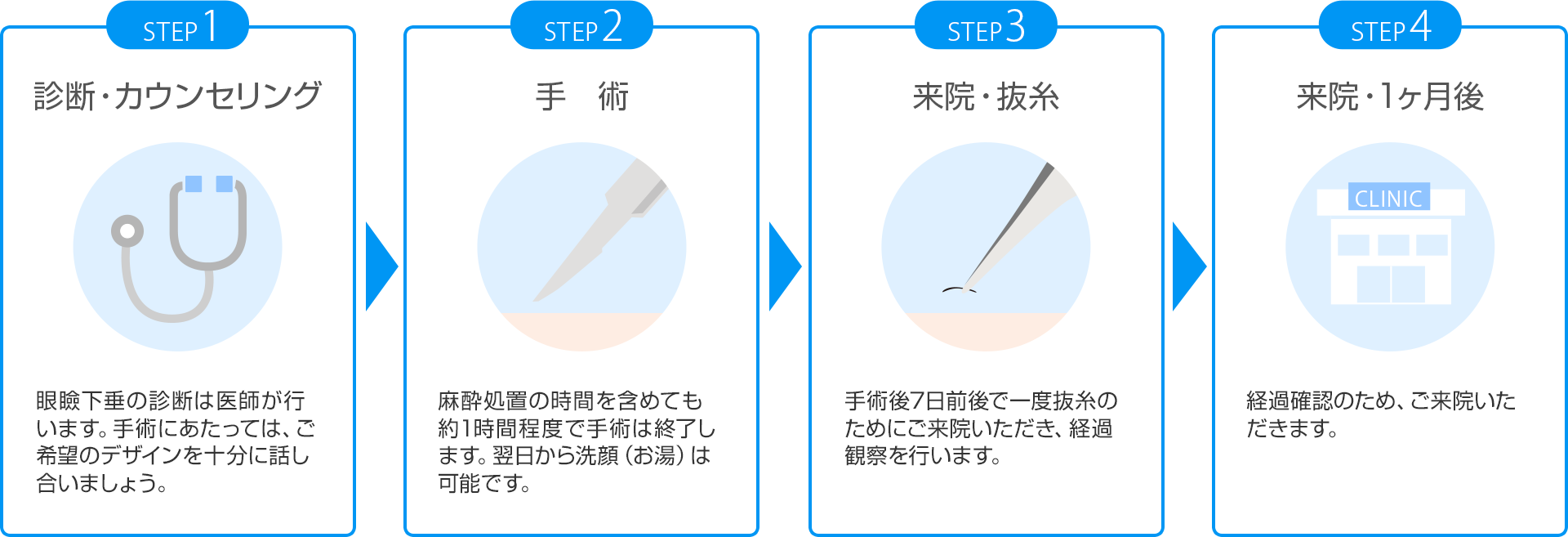
❓ Frequently Asked Questions
😊 We are here to address any concerns or worries you may have at any time, so please feel free to reach out.
A scar will be present immediately after the procedure. However, in many cases it tends to become much less noticeable over time.
⏰ It typically takes around 6 months for the redness of the scar to fade, during which it may be somewhat visible.
👁️ That said, the scar itself is hidden within the eyelid crease when the eyes are open and is only visible when the eyes are closed.
🙆♀️ Local anesthesia is used during surgery, so you will not feel pain during the procedure. However, some mild discomfort may occur after the operation, and we will prescribe oral pain medication accordingly.
📅 Suture removal is typically scheduled approximately 5 to 7 days after surgery, followed by a postoperative check-up around one month later.
⚠️ However, the schedule and number of follow-up visits may vary depending on each patient’s condition.
✅ There are no particular restrictions before surgery.
🧊 After the procedure, we recommend resting as much as possible for 2 to 3 days and applying cold compresses around the eyes whenever possible.
💡 If significant swelling develops, it will take longer to subside, so we ask that you take it easy for the first 2 to 3 days to help minimize swelling.
🙆 Yes, it is possible. Depending on the patient, operating on one eye at a time may in fact be preferable.
👨⚕️ The physician will assess this during the consultation and can discuss options with you at that time.
💰 Treatment Fees for Ptosis
💡 Reassuring pricing under health insurance coverage!
| Approximate Cost of Ptosis Surgery | ||
| 💰 Per eye (30% patient co-pay) | ¥18,210 | |
| 💰 Per eye (10% patient co-pay) | ¥6,070 | |
| ⚠️ ※ From October 1, 2022, patients aged 75 and over with income above a certain threshold may have a different out-of-pocket co-pay rate. ✅ ※ Health insurance coverage is available. 💊 ※ Consultation fees and medication costs (approximately a few hundred to over one thousand yen) are charged separately. | ||
💵 About Surgical Benefit Payments
🎁 Additional helpful information!
Patients enrolled in medical insurance through a life insurance company or mutual aid association who undergo a physician-diagnosed, insurance-covered procedure may be eligible to receive a surgical benefit payment.
⚠️ Please note: Even if you have life insurance, the benefit will not be paid unless you submit a claim yourself.
📝 If a physician’s written diagnosis is required, please let us know at the time of your consultation.
💡 If you are enrolled in a life insurance plan or mutual aid association, please check with them directly.
(The procedure name will typically be listed as “Ptosis Surgery (K219-1)” or similar.)
🏆 6 Features of Our Clinic That Patients Appreciate
 👨⚕️ Team-based care
Specialists from multiple disciplines, including plastic surgery and ophthalmology, as well as former clinical associate professors from university hospitals, provide treatment under health insurance coverage.
 💊 Pain management
Our specialists select the most appropriate technique from established insurance-covered surgical methods, with the aim of minimizing discomfort.
 ✨ Commitment to aesthetic outcomes
Our plastic surgery specialists pay close attention to eyelid balance and shape, with careful consideration given to the cosmetic results following surgery.
 💰 Insurance coverage available
All ptosis surgeries at our clinic are covered by health insurance, offering reassurance on the cost side.
 🏥 Same-day discharge for all cases
Surgery takes approximately 30 to 120 minutes, and all procedures are performed on an outpatient (same-day) basis.
 🚃 Convenient location
Just a 1-minute walk from JR Ueno Station.
😰 Many patients visit our clinic with the following concerns.
Do any of these apply to you?
- 😪 Have your eyelids been drooping and feeling difficult to open?
- 👴 Do you feel that drooping eyelids make you look older?
- 😣 Do you suffer from stiff shoulders, headaches, or eye fatigue?
- 👁️ Have you been wearing contact lenses for many years?
- 😖 Have you noticed more wrinkles appearing on your forehead?
- 😴 Have family members or friends commented that you always look tired or sleepy?
- 💄 Have you been finding it harder to apply eye makeup as before?
🎯 If even one of these applies to you…
You may have ptosis.
💡 Leaving it untreated may allow symptoms to worsen…
✅ Why not start with a consultation?
📞 You can book by phone or online!
📚 References
- Japanese Ophthalmological Society. “Clinical Practice Guidelines for Ophthalmology (3rd Edition).” Japanese Ophthalmological Society, 2018.
- Japan Society of Plastic and Reconstructive Surgery. “Clinical Practice Guidelines for Plastic Surgery.” 2015 Edition.
- Ministry of Health, Labour and Welfare. “On the Promotion of Appropriate Treatment of Ptosis in Medical Institutions.” Notification No. Iseihatu 123, 2019.
- Japanese Society of Ophthalmic Plastic and Reconstructive Surgery. “Diagnosis and Treatment of Ptosis.” Society Website, 2020.
- Health Insurance Association of Japan. “On the Criteria for Health Insurance Coverage of Ptosis Surgery.” Guide to Insurance-Covered Medical Treatment, 2021 Edition.
⚠️ ※ The above references are cited as general medical evidence. For actual diagnosis and treatment decisions, please consult a qualified specialist.